Automating Your Home’s Lighting with Smart Bulbs
Smart lighting has become an accessible entry point into home automation. By replacing conventional bulbs with connected alternatives, households gain the ability to manage illumination through digital interfaces. This article examines the practical aspects of automating home lighting with smart bulbs, focusing on scheduling, remote control, scene creation, and motion-based activation. The aim is to provide a comprehensive overview of the processes involved, without making claims about specific outcomes.
In Estonia, where daylight varies significantly between seasons, smart lighting offers particular relevance. The ability to adjust lighting schedules according to seasonal changes can support daily routines. Moreover, the integration of motion sensors can contribute to efficient energy use. This guide outlines the steps and considerations for implementing such a system, emphasizing methodical approaches and contextual factors.
Understanding Smart Bulbs and Their Capabilities
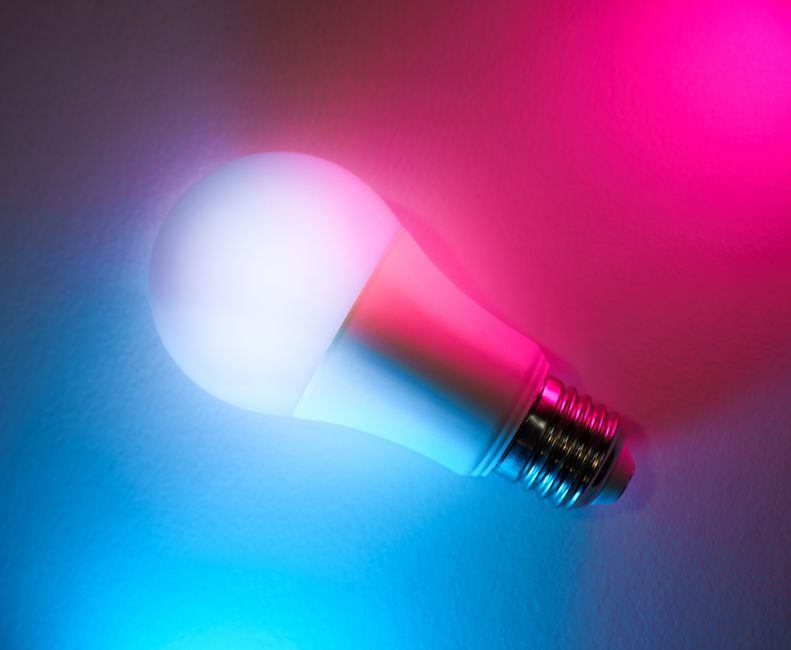
Smart bulbs are LED light sources that include wireless communication modules, allowing them to be controlled via hubs, Wi-Fi, or Bluetooth. They come in various shapes, color temperatures, and sometimes RGB color options. Basic functionalities include turning on/off, dimming, and changing color. More advanced features include scheduling, scenes, and integration with motion sensors.
The choice of smart bulb depends on the existing infrastructure and user preferences. For instance, some bulbs require a hub, while others connect directly to a home network. Understanding the communication protocol is essential for ensuring compatibility with other devices and platforms. Additionally, the design of the bulb—whether it fits existing fixtures and provides the desired light output—is a practical consideration.
When selecting smart bulbs, one must consider the type of control desired. Some users prefer voice assistants, while others rely on smartphone apps. The availability of local or cloud-based control also affects responsiveness and dependency on internet connectivity. By evaluating these factors, one can make an informed choice that aligns with their automation goals.
Setting Up Schedules for Consistent Lighting
Scheduling is a core feature of smart lighting, enabling predefined on/off times. This functionality can support daily routines, such as waking up or returning home. The process typically involves using the manufacturer’s app or a compatible platform to set specific times for lights to activate or deactivate.
Python code can automate the creation of schedules if the user is comfortable with programming. For example, using the Philips Hue API or similar interfaces, one can script recurring events. However, most users rely on graphical interfaces, which require minimal technical skill. It is important to note that schedules rely on the device’s internet connection and clock, so periodic synchronization is necessary.
Seasonal adjustments are particularly relevant in Estonia. During winter months, additional lighting may be needed in the morning and evening. Scheduling can be adapted accordingly, either manually or by utilizing astronomical timers that adjust based on sunrise and sunset. These features enhance the convenience of automation while maintaining control over energy consumption.
Remote Control: Managing Lights from Anywhere
Remote control of smart bulbs allows users to manage lighting when away from home. This capability is facilitated by cloud services or through a secure connection to the home network. Users can turn lights on or off, adjust brightness, or switch scenes using a smartphone app or web interface.
Security considerations are paramount when enabling remote access. It is advisable to use secure authentication methods, such as two-factor authentication, and to keep the home network secure. The reliance on cloud services introduces a dependency on the service provider’s infrastructure, which may affect availability. Therefore, understanding the terms of service and potential downtime is part of the process.
Remote control can be integrated with other smart home devices, such as cameras or alarms, creating a cohesive security system. For example, activating lights randomly during vacations can simulate occupancy. However, such strategies should be implemented with awareness of their limitations and in conjunction with other security measures.
Creating Scenes for Different Moods
Scenes are pre-configured lighting states that can be activated with a single command. They allow the user to define specific combinations of brightness, color, and which lights are on, catering to various activities such as reading, dining, or entertainment. The creation of scenes is typically done through the app, where individual lights can be adjusted and saved.
The flexibility of scenes depends on the capabilities of the bulbs. White-temperature adjustable bulbs can simulate daylight or warm evening light, influencing the ambience. Color bulbs offer a broader spectrum, enabling more creative settings. When designing scenes, it is helpful to consider the purpose of the room and the desired psychological or physiological effects.
Scenes can be scheduled or triggered manually. They can also be linked to other smart home events, such as movie playback or a doorbell ring. In Estonia, where evenings are long in winter, cozy scenes might include warm hues and dimmed levels, while summer evenings might benefit from cooler, brighter tones.
Integrating Motion Sensors for Enhanced Efficiency
Motion sensors can automate lighting based on occupancy, turning lights on when movement is detected and off after a set period of inactivity. This not only adds convenience but also can contribute to energy savings by reducing the time lights remain on unnecessarily.
Placement of sensors is critical for optimal performance. They should be positioned to cover the area of interest without being triggered by pets or external movement. Adjusting sensitivity and timeouts can minimize false activations. Integration with smart bulbs requires that both devices are compatible and connected to the same network or hub.
Energy savings from motion sensors are conditional and depend on usage patterns. In spaces like hallways or bathrooms, where lights are often left on, sensors can significantly reduce wastage. However, in rooms where occupancy is prolonged, sensors may offer less benefit. Thus, the decision to implement motion-sensor lighting should be based on individual room layouts and habits.
Considerations for Implementation in Estonia
When deploying smart lighting in Estonia, several local factors come into play. The variation in daylight hours affects how schedules and scenes are used. Additionally, the compatibility of smart bulbs with local electrical standards and fixtures should be verified. The availability of technical support and the language of the application are also relevant for a smooth experience.
Data privacy regulations, such as the GDPR, influence how personal data is handled by device manufacturers. Users should review privacy policies to understand data collection and usage. Furthermore, the integration with local energy tariffs could be considered, though the direct impact of lighting on electricity bills depends on usage and bulb efficiency.
Overall, automating home lighting with smart bulbs involves a series of deliberate choices and configurations. By understanding the capabilities and limitations of the technology, and by considering the specific context of one’s home and region, a personalized and functional system can be developed. The process is iterative, allowing for adjustments based on changing needs and experiences.