How to Create an Effective Morning Routine with Apps
Establishing a consistent morning routine can set a positive tone for the rest of the day, but many people struggle with the transition from sleep to wakefulness. In the modern world, smartphones can serve as valuable tools in this process, offering a range of applications designed to make mornings more manageable and less stressful. This article explores how technology can contribute to a structured start, focusing on gentle wake-up methods, habit tracking, and daily planning. By understanding the capabilities of these apps, individuals can tailor their own routines to suit their personal needs and preferences, potentially fostering a sense of calm and organization from the moment they rise.
It is important to note that the effectiveness of any morning routine depends on various factors, including individual lifestyle, environment, and consistency. Apps are not a one-size-fits-all solution, but they can provide useful frameworks and reminders that support positive habits. This guide will discuss general strategies and features to look for, without making definitive claims about guaranteed results. Instead, the emphasis is on empowering readers to make informed choices about their digital tools, always considering their unique circumstances and professional advice where necessary.
The Role of Gentle Wake-Up Apps
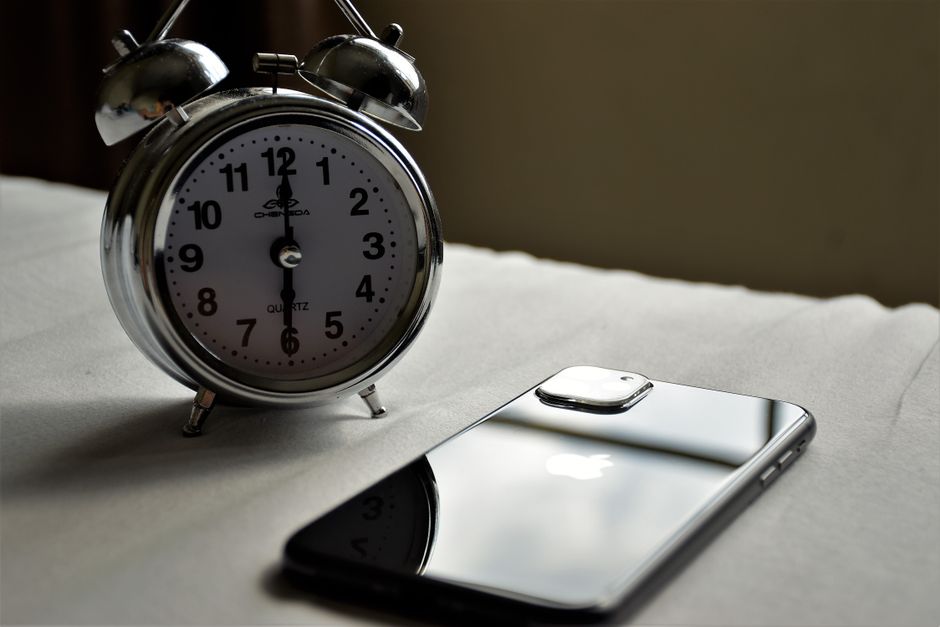
The way we wake up can significantly influence our mood and energy levels throughout the morning. Traditional alarm clocks often use jarring sounds that abruptly pull us from sleep, which can lead to a feeling of grogginess or stress. Gentle wake-up apps aim to mitigate this by using softer sounds, gradual volume increases, or even simulated sunrise effects. These features are designed to mimic natural light patterns, which may help regulate the body’s internal clock and ease the transition to wakefulness. For many, this approach feels less intrusive and more aligned with a calm start to the day.
When choosing a gentle wake-up app, it is helpful to consider the variety of alarm sounds and customization options available. Some apps allow users to select nature sounds, calming melodies, or even personal playlists. Others offer vibration features or integration with smart lights to create a more immersive experience. Additionally, some apps include a “bedtime” reminder feature that encourages a consistent sleep schedule, which can be a crucial component of a successful morning routine. While these apps cannot guarantee a perfect wake-up, they provide a more pleasant alternative to traditional alarms, and their effectiveness can depend on consistent use and personal preference.
It is also worth noting that the physical environment plays a role in how well these apps work. For instance, if a user keeps their phone in a different room, the auditory alarm might be less effective. Therefore, placement and volume settings should be adjusted accordingly. Furthermore, some apps use motion sensors to determine the best time to wake you within a set window, aiming to align with lighter sleep stages. This feature, however, requires the phone to be placed on the bed, which might not be suitable for everyone. Understanding these nuances allows users to maximize the potential benefits of gentle wake-up apps while being mindful of their limitations.
Habit Tracking for Consistent Mornings
Building a routine is often about forming habits, and habit tracking apps can be instrumental in this process. By providing a visual representation of one’s progress, these apps can encourage accountability and consistency. Many habit trackers allow users to define specific morning tasks, such as drinking water, stretching, or meditating, and then mark them as complete each day. Over time, this creates a chain of successful days, which can serve as a motivational tool. Some apps even offer statistics and graphs, showing streaks and trends that help users understand their patterns.
The design of habit tracking apps varies widely, from simple checklists to elaborate systems with reminders and social features. For a morning routine, simplicity is often key. A user might set a list of three to five core activities that they want to accomplish each morning. The app then provides a daily reminder and a one-tap method to log completion. This low-friction approach can reduce the cognitive load of remembering tasks, allowing the mind to focus on execution rather than recall. Moreover, some apps include the ability to add notes or reflections, which can be useful for journaling about how certain habits affect one’s day.
When integrating a habit tracker into a morning routine, it is important to start with a manageable number of habits. Attempting to change too many behaviors at once can be overwhelming and counterproductive. Instead, focus on one or two key habits initially, and gradually expand as they become second nature. Additionally, scheduling a specific time for these habits, such as right after waking up or after a morning shower, can help reinforce the routine. It is also beneficial to understand that lapses can occur; this does not negate the overall progress. The app’s data can provide insights into what works and what might need adjustment, fostering a flexible and self-aware approach.
Planning Your Day with Apps
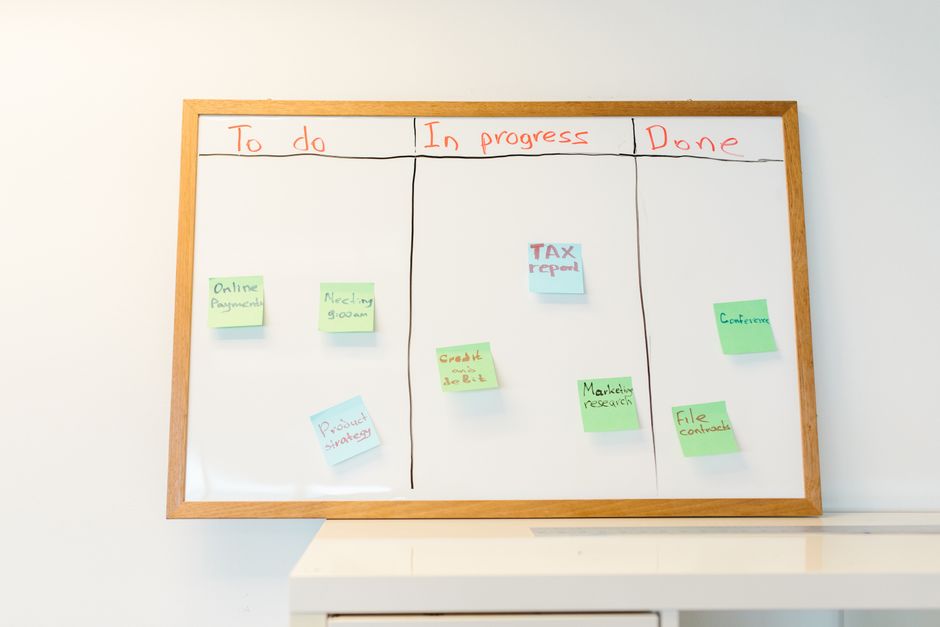
Once the morning wake-up and habit segments are addressed, another critical component is planning the day ahead. Many people find that a few minutes of planning in the morning can significantly reduce anxiety and increase productivity. Apps for task management, calendar organization, and to-do lists can serve as digital planners. They allow users to outline their priorities, set deadlines, and allocate time blocks for specific activities. By reviewing and updating these plans each morning, individuals can approach their day with clarity and direction.
Task management apps often feature intuitive interfaces where one can quickly add tasks, assign categories, and set due dates. Some integrate with calendar apps, enabling a unified view of appointments, meetings, and personal tasks. For morning routines, a brief planning session might involve checking the calendar for the day’s commitments, identifying the top three priorities, and scheduling focused work time. This process can be streamlined with the help of apps that offer templates or voice input, reducing the time required to input information. Moreover, some apps allow for recurring tasks, which is useful for daily or weekly responsibilities that need to be incorporated into the morning schedule.
The choice of planning app often depends on personal preference and the complexity of one’s schedule. Some users prefer a minimalist to-do list, while others may need a more robust project management tool. It is also worth considering apps that offer a “Morning Briefing” feature, which compiles the day’s events, weather, and reminders into a single overview. This can be a quick way to get oriented. However, the effectiveness of any planning app is contingent upon regular use and honest self-assessment. It is not the app itself that brings order, but the user’s engagement with it. Therefore, it can be beneficial to experiment with different applications to find one that aligns with one’s workflow and cognitive style.
Integrating apps into a Cohesive Morning Routine
To reap the potential benefits of these various app categories, it is essential to integrate them into a cohesive routine. A typical morning might start with a gentle wake-up alarm, followed by a few minutes of mindful breathing or stretching, which could be tracked with a habit app. Then, a quick review of the day’s schedule using a calendar or planning app can set the stage for productive work. The key is to establish a logical order that flows naturally, avoiding friction from app switching or unnecessary complexity. Many apps are designed to work together through integrations, such as a habit tracker that automatically syncs with a calendar or a sleep app that provides morning insights.
There are also all-in-one apps that combine multiple features, such as alarms, habit tracking, and daily planning, into a single platform. These can simplify the process by reducing the number of apps to manage. However, they may not offer the depth of specialized apps. It is a trade-off between convenience and functionality. Users should assess their priorities and choose accordingly. For those who prefer a modular approach, ensuring that the chosen apps are compatible and can share data can enhance the overall experience. For instance, exporting habit data to a spreadsheet or integrating with wearable devices can provide a more comprehensive overview of one’s health and routine.
Another consideration is the potential for technology to become a distraction rather than a tool. The same phone that helps you wake up can also pull you into social media or email within minutes of waking. Therefore, it is crucial to set boundaries. Some apps offer “Do Not Disturb” modes or app blockers that can limit notifications during the morning hours. By deliberately using your phone for the intended routine activities and avoiding others, you maintain the focus on your morning goals. This intentional use of technology reflects a mindful approach, aligning with the overall aim of a stress-free start to the day.
Adapting the Routine to Individual Needs
Ultimately, the success of a morning routine depends on how well it fits an individual’s lifestyle, preferences, and goals. Diversity in app choices is beneficial because it allows for customization. Some people may find that a five-minute meditation app helps them center themselves, while others might prefer a quick workout guided by a fitness app. The key is to experiment and adjust based on what feels sustainable. It is also important to consider that routines evolve over time. What works during a busy work week might differ from a leisurely weekend. Apps that offer different modes or that can be easily modified support this adaptability.
For readers in Estonia, the local context may include specific cultural considerations, such as seasonal variations in daylight hours. Gentle wake-up apps that simulate sunrise might be particularly useful during darker winter months. Additionally, the availability of certain apps in the Estonian language or their compatibility with local services, such as calendar integrations with Estonian public transport, could factor into the choice. While this article doesn’t endorse any particular product, it encourages an exploration of the diverse options available, considering both global and local resources.
In conclusion, smartphone apps can serve as valuable aids in crafting a morning routine that is both effective and stress-free. By choosing gentle wake-up alarms, habit trackers, and planning tools, individuals can create a framework that supports their personal objectives. It is crucial to approach this process with a spirit of experimentation and self-awareness, recognizing that the tools are only as effective as the user’s commitment. As with any change in habits, patience and consistency are key. The information provided here serves as a starting point, not a definitive guide, and it encourages readers to make informed decisions that align with their own circumstances and any professional advice they may have.
TechSimplify OÜ is aware that the digital landscape is constantly evolving, and what works today might be improved tomorrow. Therefore, it is advisable to periodically review your app setup and remain open to new solutions that may better serve your needs. By staying informed and flexible, you can maintain a morning routine that evolves with you, contributing to a sense of control and well-being. Ultimately, the goal is not to strive for perfection, but to find a sustainable pattern that supports a balanced life.