Online Grocery Delivery Services: Saving Time and Money
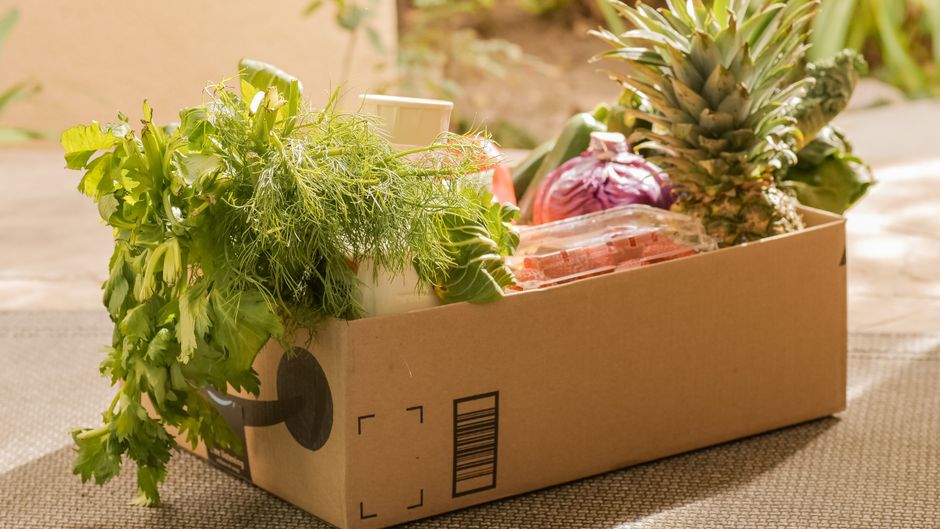
In today’s fast-paced world, many people are turning to online grocery delivery services as a way to manage their time and budget more effectively. These platforms offer a convenient alternative to traditional supermarket shopping, allowing customers to order essentials from home. However, with a variety of options available, it can be challenging to determine which service best fits individual needs. This article provides an objective overview of popular online grocery delivery services, examining their costs, delivery options, and potential benefits, with a focus on the Estonian market.
Understanding how these services operate is the first step toward making an informed decision. Typically, customers browse an online catalog, select items, and choose a delivery time slot. Prices may vary based on the platform, product selection, and delivery fees. Additionally, some services offer subscription models that provide free delivery for a monthly or annual fee. By comparing these factors, consumers can select a service that aligns with their shopping habits and lifestyle.
Comparing Popular Online Grocery Platforms
Several online grocery platforms have gained popularity in Estonia, each offering unique features and pricing structures. For instance, Selver, a well-established supermarket chain, provides a robust online ordering system with a wide range of products, including fresh produce, dairy, and household items. Coop, another prominent chain, offers its own e-commerce solution, emphasizing local products and competitive pricing. Additionally, international services like Wolt and Bolt Food have expanded into grocery delivery, partnering with local stores to offer a variety of goods.
When comparing these platforms, it is essential to consider the product range, availability, and user interface. Some services focus on convenience, offering pre-packed meal kits or curated baskets, while others allow customers to select individual items. The choice often depends on whether the goal is to purchase a full grocery haul or simply a few essential items. Moreover, delivery speed and time slots can differ significantly, with some platforms offering same-day delivery and others requiring a day’s notice.
Cost is a major factor for many consumers. Delivery fees typically range from a few euros to several, depending on the order size and delivery speed. Some platforms waive the fee for orders above a certain threshold, while others charge a flat rate. Subscription models, such as those offered by Selver, provide unlimited free deliveries for a monthly fee, which can be cost-effective for frequent users. Additionally, product prices may be slightly higher than in physical stores, but this can be offset by the time saved and the reduction in impulse purchases.
Cost Considerations and Delivery Options
Delivery fees are not the only cost to consider. Some platforms apply a markup on product prices to cover logistics, while others may charge a commission for the service. It is advisable to compare the total cost of a typical shopping list across different platforms to determine which offers the best value. For example, a 50-euro order might incur a delivery fee of 3 to 5 euros, but if the same items are priced higher on one platform, the overall cost could be greater.
Delivery options also vary, with some services offering scheduled time slots, same-day delivery, or even express delivery within a few hours. For those with flexible schedules, cheaper delivery windows may be available. In Estonia, urban areas generally have more delivery options and shorter wait times, while rural areas may have limited availability. Therefore, it is important to check whether a service delivers to your location and what delivery times are offered.
Another cost-related aspect is the payment method. Most platforms accept credit cards, bank transfers, and sometimes cash on delivery. Some services also offer digital wallets or loyalty programs that provide discounts or points for future purchases. Taking advantage of these can reduce overall expenses. However, it is essential to read the terms and conditions to avoid unexpected charges, such as bag fees or delivery surcharges during peak hours.
Saving Time and Avoiding Impulse Buys
One of the primary benefits of online grocery delivery is the potential to save time. Instead of physically going to a store, navigating aisles, and waiting in line, customers can order from home or on the go. This is particularly useful for busy professionals, parents, or individuals with mobility issues. By using saved time for other activities, such as work or leisure, the convenience factor can have a positive impact on everyday life.
Another advantage is the reduction of impulse buys. In a physical store, customers are often tempted by promotional displays, samples, and attractive packaging, leading to unplanned purchases. Online platforms present items in a more structured way, and customers can easily stick to their shopping list. Additionally, many services offer features like favorites lists and past orders, which can streamline the ordering process. This can help in maintaining a budget and avoiding unnecessary items.
However, it is important to note that online shopping can also lead to higher spending if not managed carefully. For instance, the convenience of adding items to a cart with a click may encourage larger orders. Some platforms use algorithms to suggest products, which might not always align with a customer’s needs. Therefore, it is advisable to set a budget and review the cart before checking out. By doing so, consumers can enjoy the benefits of online delivery while keeping expenditure in check.
Tips for Maximizing Value and Efficiency
To get the most out of online grocery delivery, consider the following strategies. First, compare service fees and delivery costs across platforms. A small difference in delivery fees can add up over time. Second, plan your shopping list ahead of time and stick to it. This helps in avoiding spontaneous purchases and ensures that you order only what you need. Third, take advantage of special offers and discounts that may be available for online orders, but always check the unit price to ensure that it is genuinely a good deal.
Grouping orders can also be beneficial. Instead of ordering small amounts frequently, a weekly or bi-weekly order may reduce delivery costs and the associated environmental impact. Furthermore, some services offer flexible subscription plans that can be paused or canceled, allowing you to adjust based on your usage. Finally, consider the quality of products, especially fresh items. Reading reviews and checking the return policy can provide peace of mind.
Another tip is to use slow shipping options when possible. Many platforms offer cheaper or free delivery for longer delivery windows, which can be a significant saving. By planning ahead, you can take advantage of these lower fees. Additionally, keep an eye out for promo codes or referral programs that may provide initial discounts. These offers can be valuable, especially for first-time users, but it is essential to understand the terms to avoid future charges.
Potential Drawbacks and Considerations
While online grocery delivery offers numerous benefits, there are some drawbacks to consider. Product substitution is a common issue: when an ordered item is out of stock, the service may replace it with a similar product, which may not meet your expectations. To mitigate this, it is advisable to specify preferences regarding substitutions or choose to cancel items that are unavailable. Most platforms allow you to set substitution rules.
Another consideration is the condition of fresh produce and perishable items. When selecting these items online, customers cannot inspect them for quality, which may lead to dissatisfaction. Some services have strict quality control measures, but there is always a risk. To reduce the likelihood of receiving damaged or spoiled items, it is wise to choose delivery windows that are earlier in the day, when items are likely to be freshly picked or packed.
Delivery logistics can also pose challenges, such as missed deliveries due to absence. Some services offer contactless delivery or allow you to authorize a safe drop-off location. However, this may not be suitable for all orders, especially those requiring refrigeration. It is important to be available during the delivery window or to arrange for an alternative. Additionally, in rural areas, delivery may not be available or may incur higher fees, which reduces the accessibility of these services.
Ultimately, the decision to use online grocery delivery services depends on individual priorities and circumstances. Weighing the trade-offs is essential.
After evaluating the various factors, consumers can make an informed choice that aligns with their needs. While no service can guarantee perfect outcomes, the information provided here offers a foundation for comparison. By considering costs, delivery options, and potential time savings, individuals can determine whether online grocery delivery is a suitable option for their household.
Conclusion
Online grocery delivery services in Estonia present a practical alternative to traditional shopping, offering the potential to save time and reduce impulse spending. By comparing platforms, understanding cost structures, and implementing efficient ordering habits, consumers can optimize their grocery shopping experience. However, it is crucial to remain mindful of the limitations and to choose a service that matches personal preferences. As the market continues to evolve, these services may become even more integrated into daily life, but for now, the decision rests on individual needs and careful evaluation.